
Industrial filtration is more critical today than ever before. Chemical processing, energy production, manufacturing, and water treatment facilities depend heavily on reliable filter media to maintain product quality, protect equipment, and meet environmental standards.
Such systems operate in demanding environments and deal with heat, chemicals, pressure, and constant fluid movement. Over time, these factors can damage traditional filter components, causing corrosion, clogging, or structural failure.
Thankfully, modern technologies have developed epoxy coated wire mesh to withstand these challenges. Continue reading to find out how.
Why Durability Matters in Modern Filtration Systems
The global industrial filtration sector’s value is expected to reach USD$ 47.1 billion by 2029, owing to stricter regulations on environmental protection. As rules tighten, filtration systems must become more efficient and long-lasting.
However, traditional filtration materials face several challenges:
- Continuous UV exposure in outdoor installations
- Harsh chemicals that break down metal surfaces
- High temperatures and pressure fluctuations
- Constant contact with fluids or airborne contaminants
These conditions accelerate wear, especially when standard metals like carbon steel or galvanized steel are used without protective coatings. Once corrosion begins, it spreads quickly, reducing and eventually damaging the filter’s structure.
Addressing Corrosion and Performance Challenges
Corrosion is a common problem in filtration systems, particularly in hydraulic oil filtration. Metal surfaces exposed to moisture, chemicals, or oxygen can degrade over time. This leads to structural weakness, contamination risks, and expensive maintenance.
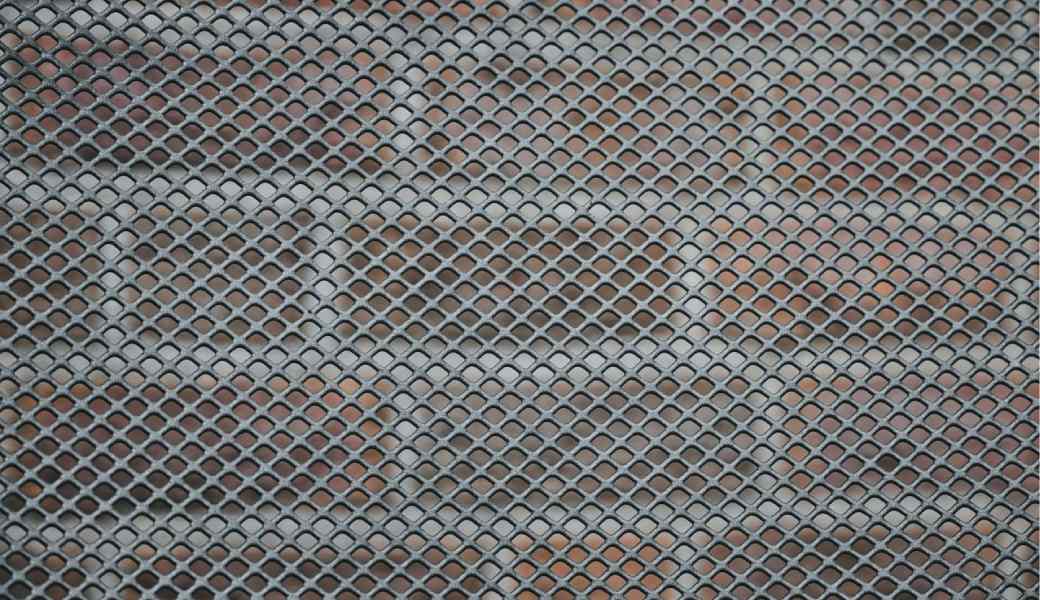
This is where epoxy coated wire mesh becomes particularly valuable. Combining the strength of metal with the protective qualities of specialized coatings, this material improves durability, performance, and long-term reliability in filtration systems used across multiple industries.
An epoxy resin coating forms a protective layer over the metal mesh surface. This barrier prevents contaminants from directly contacting the metal underneath. As a result, the mesh gains improved corrosion and chemical resistance. It also has stronger temperature resistance compared with untreated materials.
Because the coating bonds tightly to the base metal—whether stainless steel, carbon steel, or epoxy-coated steel wire—the mesh maintains structural integrity even in harsh filtration environments. The result is a filtration component designed for durable and long service life.
Structural Strength and Filtration Efficiency
The effectiveness of filtration systems depends not only on chemical durability but also on physical strength. Filters must maintain their shape while handling pressure, fluid flow, and debris.
Different mesh structures provide varying levels of support and filtration precision. Common forms include:
- Woven wire mesh, which offers flexibility and precise filtration control
- Crimped wire mesh, designed for heavy-duty structural strength
- Sintered wire mesh, used in high-pressure or high-temperature filtration
- Woven mesh variations designed for specific mesh size and wire diameter
These materials are often manufactured into wire mesh sheets that can be customized for filtration systems. In many cases, sheets are cut into stripes or shaped into cylinders to fit cartridge filters.
In filtration units, these meshes may serve several roles. They can function as filtering septums, act as pleat support for delicate membranes, or reinforce a layer of filter media. For example, in air filtering equipment used in manufacturing facilities, epoxy-coated mesh helps maintain airflow while preventing structural collapse.
Because the epoxy layer improves coating stability, the mesh remains reliable even when exposed to chemical agents or fluctuating temperatures.
Supporting Emerging Filtration Technologies
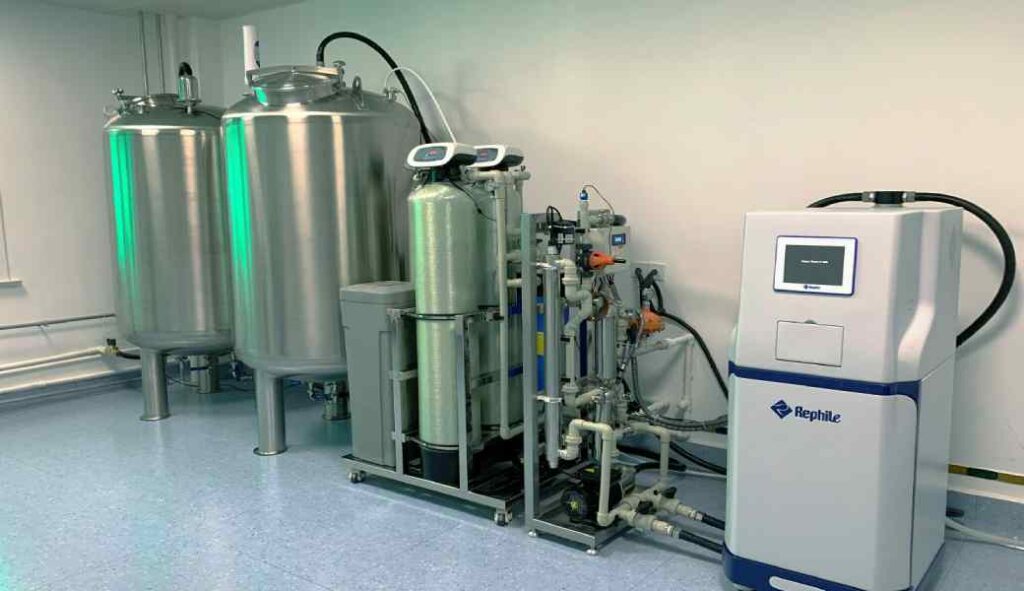
Modern filtration systems often combine multiple technologies to achieve higher efficiency. Advanced systems may integrate specialized mesh layers, automated monitoring tools, and precision manufacturing techniques.
For example, facilities may pair sintered wire mesh with coated support layers to increase durability under pressure. Other systems use multi-layer filtration structures to capture both large and microscopic contaminants.
Manufacturers frequently collaborate with engineering teams to develop tailored filtration solutions. Companies offering advanced metal filtration materials, including Lawrence Sintered Metals, provide customized mesh designs that match specific industrial processes. These bespoke components allow engineers to optimize filtration systems for industries ranging from oil refining to pharmaceutical production.
Manufacturing Standards and Quality Considerations
Not all filtration materials are created equal. When selecting mesh for industrial use, you must consider manufacturing standards and coating specifications.
High-quality mesh products typically follow ASTM standards, which define acceptable manufacturing tolerances, mechanical strength, and corrosion performance. These guidelines ensure consistency in areas such as wire diameter, weave structure, and overall mesh integrity.
Another important factor is the classification of the epoxy coating applied to the mesh. Different coating formulations are designed for different operating conditions. Some coatings focus on high-temperature stability, while others emphasize resistance to chemical solvents or acids.
A properly applied epoxy resin layer ensures that the coating bonds evenly across the entire mesh surface. This uniform coverage prevents weak points that could allow corrosion to begin.
Automation and Smart Filtration Monitoring
Industrial facilities increasingly rely on digital tools to manage equipment performance. Filtration systems are no exception.
When supported by business automation systems, filtration equipment can be monitored in real time. Sensors track pressure levels, contamination buildup, and flow rates. This data allows maintenance teams to replace filters at the right time rather than relying on fixed schedules.
Automation also improves operational efficiency in several ways:
- Predictive maintenance: Systems detect early signs of clogging or structural stress.
- Performance optimization: Data helps operators adjust filtration rates and system pressure.
- Reduced downtime: Maintenance teams can schedule service before failures occur.
The benefits multiply when durable materials like epoxy-coated mesh are integrated into these automated systems. Filters last longer, require fewer replacements, and maintain consistent filtration quality.
Applications Across Multiple Industries
Because of its durability and protective coating, epoxy-coated mesh is used in many environments beyond traditional filtration units.
In the construction industry, coated mesh can provide reinforcement and safety protection in structural applications. In coastal environments and marine structures, the added corrosion resistance protects metal components from saltwater exposure.
Industrial filtration remains one of the most important applications, however. Epoxy-coated mesh helps protect sensitive equipment while maintaining reliable filtration performance, primarily in chemical plants, manufacturing facilities, or oil processing operations.
Conclusion
Industrial filtration systems face constant stress from chemicals, temperature changes, and environmental exposure. Without durable materials, filters quickly degrade and require frequent replacement.
Epoxy-coated wire mesh offers a practical solution by combining strong metal structures with protective coatings. Its ability to resist corrosion, maintain structural integrity, and support advanced filtration technologies makes it a valuable component in modern industrial systems.
For engineers and facility managers, investing in high-quality coated mesh materials can mean fewer maintenance issues, improved filtration efficiency, and longer-lasting equipment performance.