
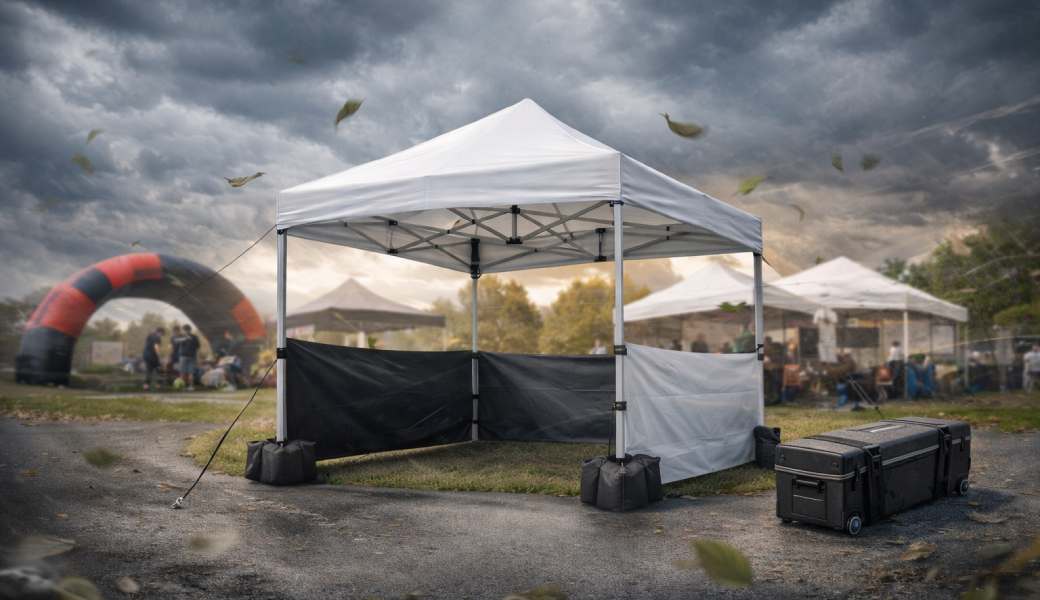
Most days, keeping up with packed event calendars means needing something solid on the ground—even when the weather turns unpredictable. From years spent running outdoor setups and fast-paced service routines, one thing stands clear: gusts cause the most trouble, risking both smooth operations and how people perceive us. If a display collapses because it wobbles too much, the damage goes beyond delays—it puts staff and visitors at risk without warning. Strength in busy spaces isn’t about flashy designs. It shows up when shelters do far more than block sunlight when they hold firm like quiet anchors. Focusing on builds made to endure ensures our space stays steady, projecting confidence even under gray skies or heat waves. The result? A reliable stage where every interaction keeps its quality, no matter the forecast outside, especially with professional solutions like inflatable replicas that maintain brand presence in challenging conditions.
6 Standard Accessories for Durable & Reliable Outdoor Event Performance
1. Weighted Anchor Systems for Concrete and Grass Surfaces
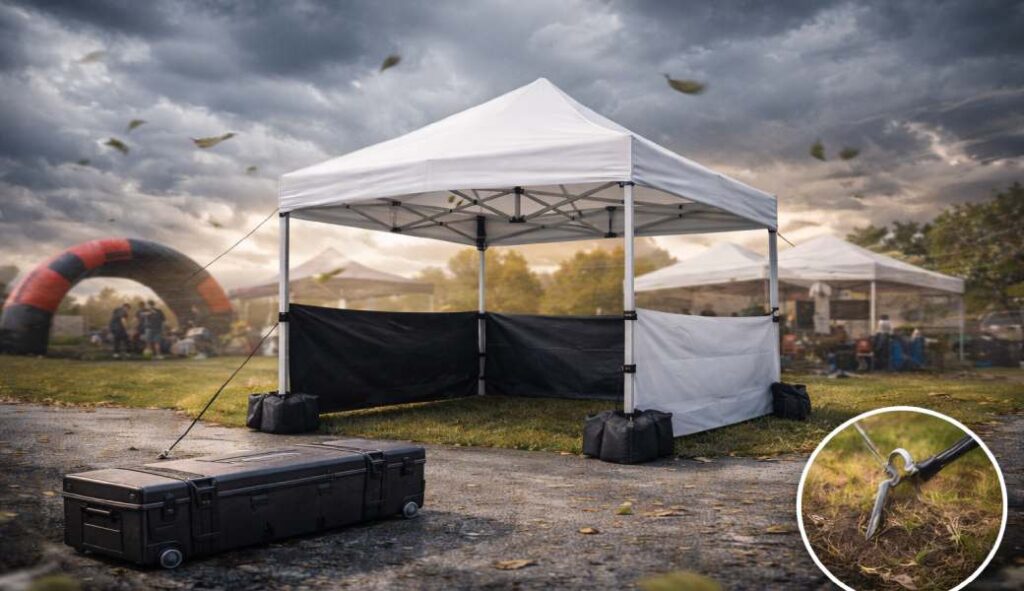
Stability begins with a solid footing—our go-to method is to use rugged, sand-filled weight bags whenever we set up in busy venues. Skip these, and trouble follows fast, a gust might catch a loose frame, tipping it sideways without warning. At every support point, added bulk changes how the whole thing holds ground the heavier it gets, the harder it is to shake loose. When things are built like this, attention stays where it should: on people nearby, not on ropes or stakes. Heavy reliance on balance means less scrambling when the weather shifts.
2. Reinforced Hexagonal Aluminum Frames
Heavy hexagon-shaped frames of a custom tent can hold up best even when used often at busy events. Most people pick light square ones because they’re easier to carry around. Yet we go with thick anodized aluminum built in six-sided forms for better strength. That extra width along each side resists twisting and cracking when pressure is applied sideways. Stronger bones inside the display mean less damage over time. Coastal winds or uneven ground won’t wreck the setup so fast. Our brand stays clean and intact, show after show, thanks to tougher support structures underneath.
3. Integrated Venting Systems to Release Uplift Pressure
When strong winds hit, sealed structures tend to fail fast. Instead of closing everything tight, we lean toward canopies built with small openings right at the top. These gaps let air slide out slowly rather than build up underneath. That release stops sudden upward forces from shaking the whole setup loose. You notice it most when gusts rise; our units hold firm while others wobble, then fold. Because airflow moves through rather than presses against the fabric, stability remains high even as conditions worsen. Equipment without such features often collapses before ours even shakes.
4. Strategic Staking and Guy Line Tensioning
Metal stakes hammered into grass or soft ground at a forty-five-degree tilt hold tight when the wind picks up. Our crew treats this step like a safeguard, one that keeps everyone from harm while working smoothly. Taut guy lines add balance, spreading force evenly through the framework instead of letting it concentrate. Layer upon layer, these anchors lock everything in place, even if the weather turns sharp without warning.
5. Modular Sidewall Configurations for Airflow Control
Half walls linked by stiff rails? That’s how we handle airflow without fighting the wind. Full barriers tend to trap gusts, almost like sails on a boat caught sideways. Rigid bar setups keep things tidy, and less flutter means less strain over time. A neater look comes along for free. Less fabric out in the open also cuts down what the weather can grab onto. Comfort stays steady for everyone inside when the setup doesn’t shudder each time a breeze hits. Flexibility here isn’t just handy; it quietly holds everything together.
6. Protective Rolling Cases for Multi-Event Durability
Rugged transport setups keep gear safe across every landscape. Since how we move things shapes their lifespan, careful handling matters most mid-transit. Tough rolling cases take the strain off crews while reducing the risk of damage to delicate parts. When containers fit the job, setup flows faster once on-site. A solid shell means displays arrive sharp and fully intact. Looking after what we carry guards value over time. Ready gear means no delays, even when spaces get tight. Whether it’s standard tents or specialized inflatable product replicas for brand activation, proper protection ensures consistent performance.
Final Thoughts
Staying steady under pressure? That’s what sets seasoned teams apart. Because airflow matters, materials count, and precision helps tents become more than just covers. They hold their ground. When the wind pushes back, preparation answers. Confidence grows not from ignoring nature but from working with it. Solid structures mean less worry about poles and seams, more space for real talk, real moments. Success leans on things that won’t buckle.